
On Nonviolent Direct Action
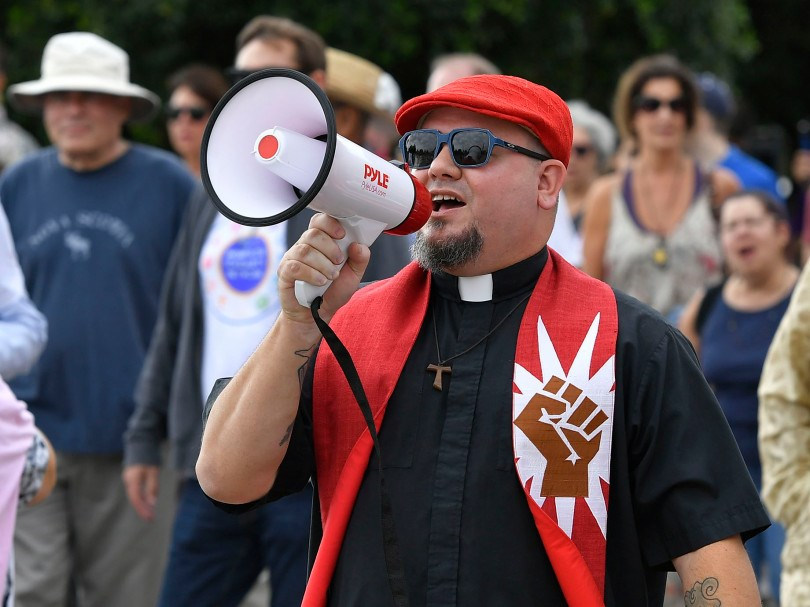
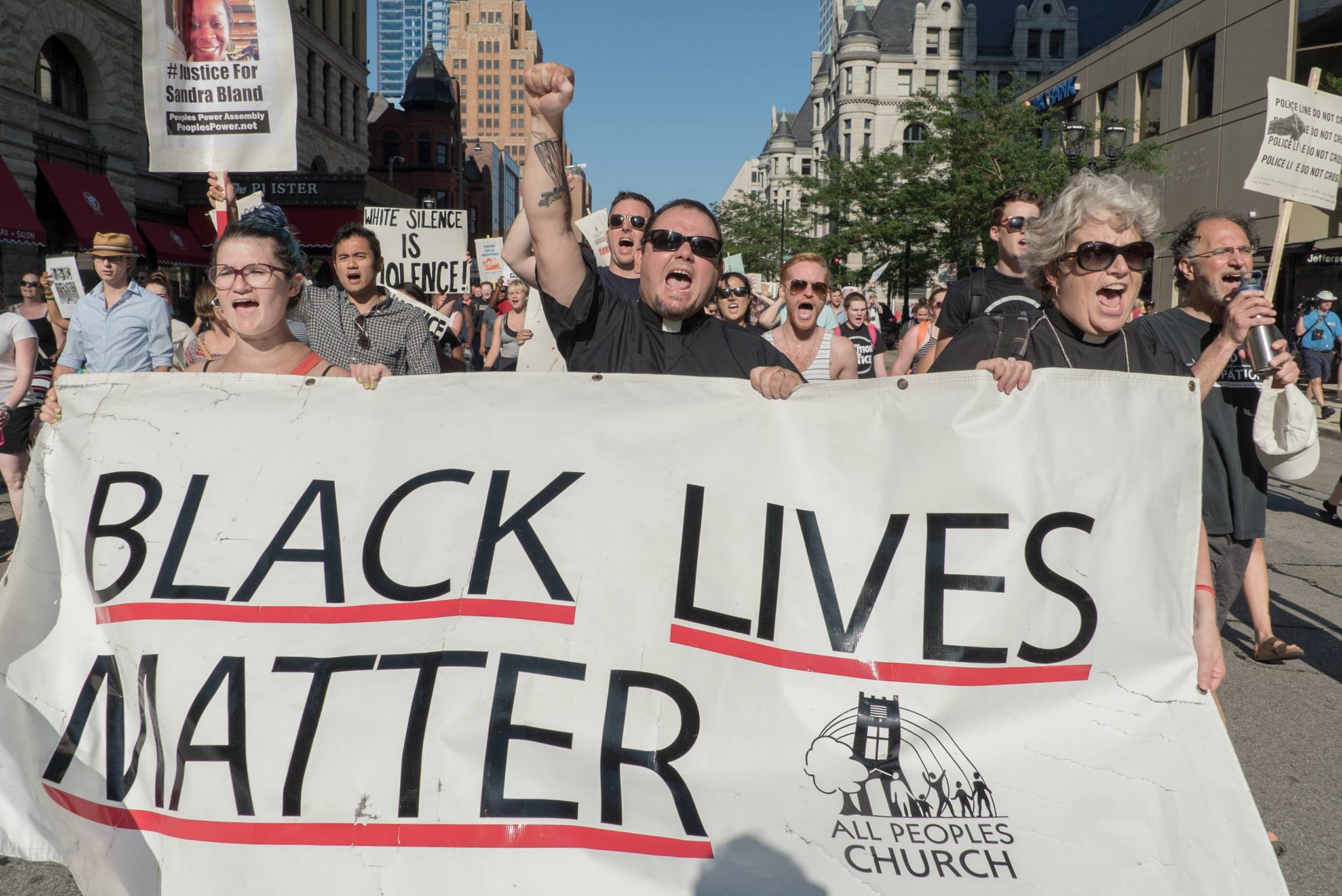
In my first semester of seminary, a classmate who was a year ahead of me said, “grab your clergy collar - we’re going downtown.” There was a rally in downtown Chicago around the Trans-Atlantic Business Dialogue bringing together labor and environmentalists. I didn’t even own a collar, but quickly found one to borrow and hopped the El to join the protest. It was the first time I was showing up in a space with a visible expression of my faith.
In the 24 years since that event, I’ve found myself engaged in a multitude of public witness with my faith communities - rallies and protests, direct service and charity drives, prayer vigils, organizing meetings and direct action civil disobedience. All of these efforts are important and necessary. We must use every tool available to create the world we want to see. The acts of civil disobedience continue to shape my understanding of what the directive in the book of Micah means when God declares doing justice is required. It isn’t the only way, and it is never the first way, but it is a significant way to participate in God’s liberating work.
I had the opportunity to join Church Council of Greater Seattle in becoming a trainer of nonviolent civil disobedience. On this holiday weekend, I hear the words shared in that training more acutely:
Nonviolent direct action seeks to create such a crisis and foster such a tension that a community which has constantly refused to negotiate is forced to confront the issue. It seeks to so dramatize the issue that it can no longer be ignored. - The Rev. Dr. Martin Luther King, Jr., Letter from Birmingham Jail
You don’t have to wear a visible sign - like a clergy collar - to act publicly towards justice. And civil disobedience requires a team of support - frontline, perimeter, and background workers - to create a sense of safety and belonging. There is work for all of us.
We don’t know what the next call to action will be, but this is a pivotal time to skill up and start building trust with others that will call us into action. You might have someone who says, “come on, let’s go” and, unlike my first rally in Chicago, we can have a team, a strategy, and a plan to foster tension that forces confrontation. I’m grateful for the ways the Church Council of Greater Seattle continues to create opportunities for my congregation to be ready when the call rings out.
Peace and Goodness,
Rev. Steve Jerbi, oef
Minister, University Congregational UCC, Seattle
Director, Organizing for Mission Network